Raw Material Tracking: Production Inventory Guide
Learn industry best practices for tracking raw materials in your manufacturing business. Optimize your production inventory with these proven strategies.

Effective raw material tracking software is the backbone of any successful manufacturing operation. Without it, you're flying blind—overstocking some materials while running out of others.
In this guide, we share proven best practices for production inventory management.
Why Raw Material Tracking Matters
Poor raw material tracking leads to:
- Production Delays: Waiting for materials that weren't ordered
- Waste: Materials expiring or becoming obsolete
- Cash Flow Issues: Too much capital tied in inventory
- Inaccurate Costing: Not knowing your true COGS
Best Practice #1: Categorize Everything
Create clear categories for your raw materials:
- By Type: Steel, Fabric, Chemicals, etc.
- By Criticality: A (critical), B (important), C (commodity)
- By Supplier: Group by vendor for easier ordering
Best Practice #2: Use SKU Codes
Every raw material should have a unique SKU:
- Consistent naming convention
- Easy to search and filter
- Links to your purchasing records
Example: RM-STL-304-5MM (Raw Material, Steel, Grade 304, 5mm)
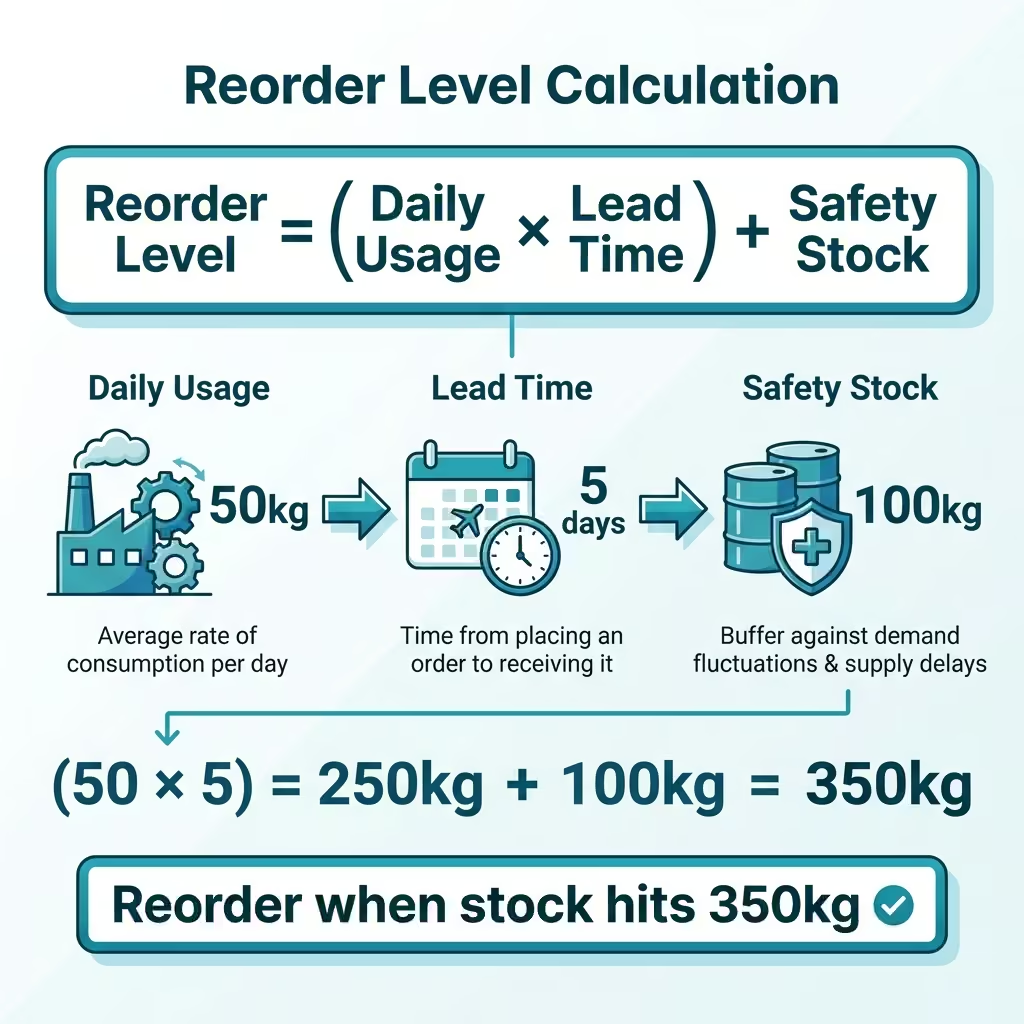
Best Practice #3: Set Reorder Levels
For each material, calculate:
Reorder Level = (Daily Usage × Lead Time) + Safety Stock
Example:
- You use 50 kg of steel per day
- Supplier takes 5 days to deliver
- Safety stock = 100 kg
- Reorder Level = (50 × 5) + 100 = 350 kg
Need help setting up automated alerts? See our step-by-step guide to low stock alerts.
Best Practice #4: Track Every Movement
Log every inventory transaction:
- Receipts: Materials received from suppliers
- Issues: Materials sent to production
- Returns: Materials returned to stock
- Adjustments: Stock counts and corrections
Best Practice #5: Regular Stock Audits
Even with software, do physical counts:
- Cycle Counting: Count a portion of inventory weekly
- Full Audits: Complete count quarterly
- Variance Analysis: Investigate discrepancies
Best Practice #6: Integrate with Expenses
Link raw material purchases to your expense tracking:
- Accurate COGS calculations (learn how to track COGS in real-time)
- Budget vs. actual analysis
- Supplier spend visibility
Using a Manufacturing Inventory Tracker
A good manufacturing inventory tracker like Rekavoze helps you:
- Automate Alerts: Get notified when stock is low
- Track History: See all movements and who made them
- Calculate Costs: Know your true material costs
- Generate Reports: Visualize trends and issues
Implementation Checklist
- Define material categories
- Create SKU naming convention
- Calculate reorder levels for top 20 items
- Set up your inventory software
- Train team on logging transactions
- Schedule monthly stock reviews
Conclusion
Proper raw material tracking software transforms your manufacturing operations. Start with these best practices, implement them consistently, and watch your efficiency improve.