Track COGS: Real-Time Profit Margins for Manufacturers
Learn how to accurately track your Cost of Goods Sold and calculate real-time profit margins. Essential guide for manufacturing business owners.
Do you really know your profit margins? Many manufacturers guess at their Cost of Goods Sold (COGS) because tracking it accurately is hard. But with the right tools, you can track COGS in real-time and make better pricing decisions.
What is COGS?
Cost of Goods Sold includes:
- Direct Materials: Raw materials used in production (track these with raw material tracking software)
- Direct Labor: Wages for production workers
- Manufacturing Overhead: Factory rent, utilities, equipment depreciation
Why Real-Time COGS Matters
1. Accurate Pricing
Know your true margins before quoting customers.
2. Identify Waste
Spot cost overruns before they eat your profits.
3. Tax Compliance
COGS is tax-deductible, so accurate tracking saves money.
How to Calculate COGS
COGS = Beginning Inventory + Purchases − Ending Inventory
But this formula only works if you're tracking inventory accurately.
Using a Real-Time Profit Margin Calculator
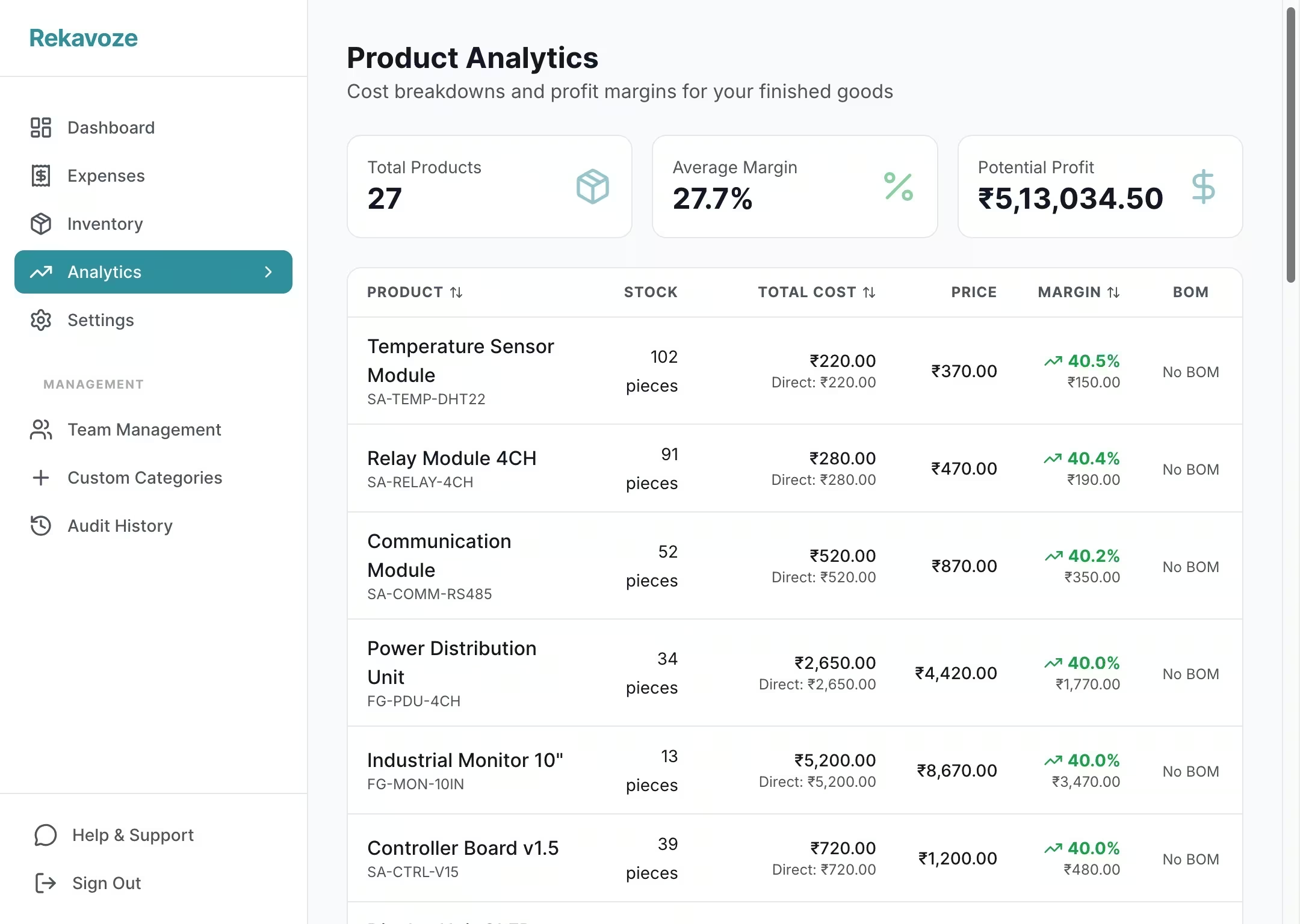
Modern unified inventory and expense management tools like Rekavoze calculate COGS automatically by:
- Tracking every inventory movement
- Linking expenses to production categories
- Calculating margins per product using Bill of Materials cost rollup
Step-by-Step: Setting Up COGS Tracking
Step 1: Categorize Your Expenses
In Rekavoze, create categories for:
- Raw Materials
- Direct Labor
- Manufacturing Overhead
Step 2: Link to Inventory
When you record an expense, link it to the relevant inventory items.
Step 3: View the Dashboard
Your Profit Analytics dashboard now shows:
- COGS per product
- Gross margin percentages
- Trend analysis over time
Advanced: BOM-Based COGS
For manufacturers with complex assemblies, learn how BOM software calculates nested costs automatically.
Conclusion
Stop guessing at your margins. With a proper real-time profit margin calculator for manufacturers, you can make data-driven decisions and protect your bottom line.